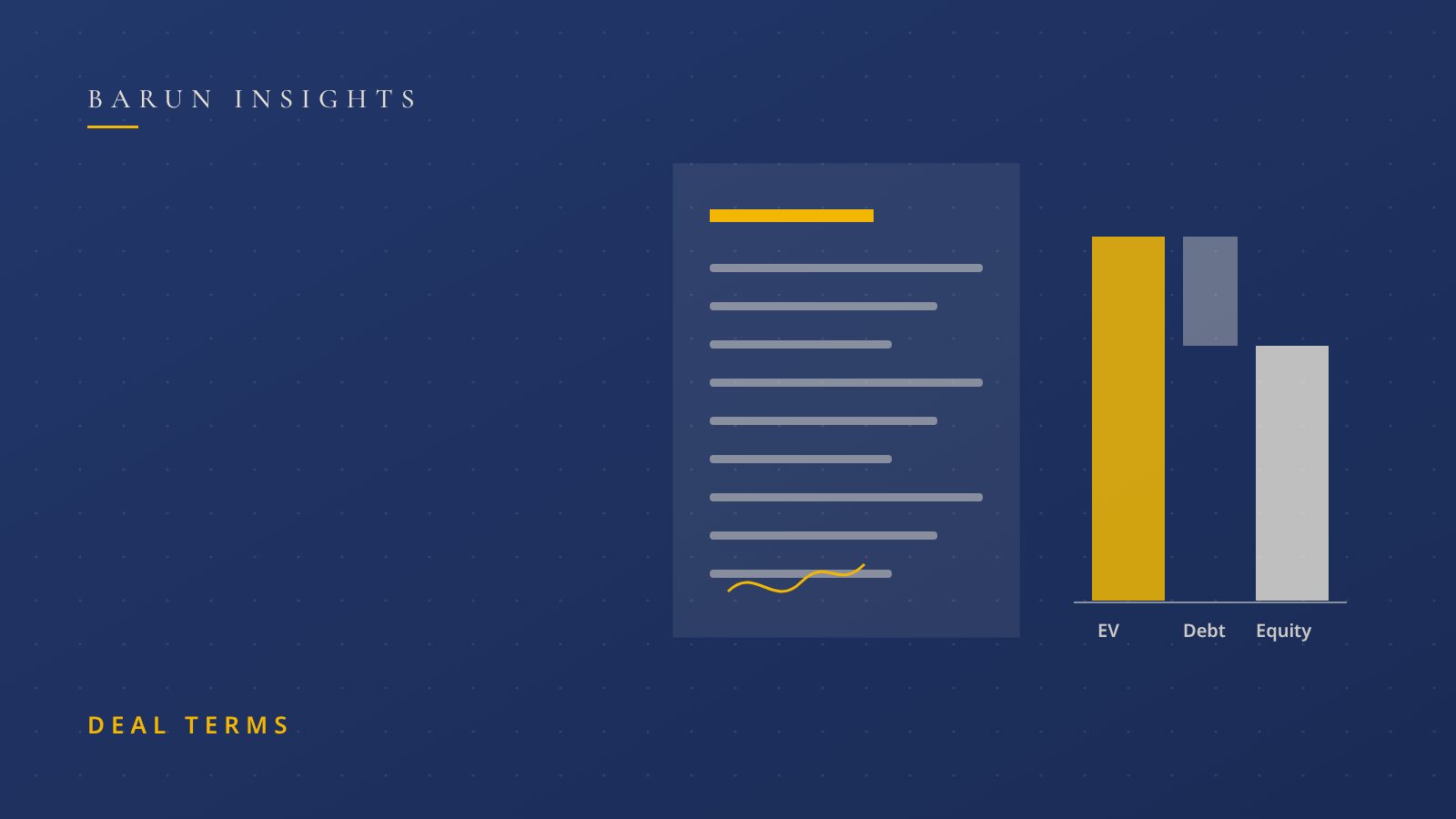
When a buyer offers "10 billion won", the seller is not guaranteed to receive 10 billion won. Whether that figure is enterprise value or equity value, how debt and cash are treated and what working capital is assumed can move the cheque substantially. An LOI that leaves these blank becomes the starting point for re-pricing after due diligence.
1. Price basis: enterprise or equity value
The usual approach is an enterprise value on a cash-free, debt-free basis, with net debt at closing deducted to reach equity value. Listing what counts as debt (unfunded severance, leases, unpaid taxes, customer prepayments) even as examples avoids later disputes.
2. Working capital peg
Receivables, inventory and payables should be left at a normal level. Agree whether the peg is a trailing 12-month average or seasonally adjusted, or expect a large adjustment right before closing.
3. Form and timing of consideration
All cash, or partly earn-out, escrow or shares? The same headline price is a very different deal depending on when and how it is paid.
4. Due diligence scope and timetable
Financial, tax, legal, technical; how many weeks; when site visits and management interviews happen. Diligence without a timetable never ends.
5. Exclusivity
The most expensive concession a seller makes. Keep it short (typically four to eight weeks), make extensions conditional, and consider ending exclusivity automatically if the buyer tries to cut the price.
6. Key conditions precedent
Acquisition financing, consent of major customers, retention of key staff and transfer of licences. A condition that appears for the first time late in the process shifts leverage to the buyer.
An LOI is a weak legal document but a strong anchor. Before signing one, check with your adviser that all six points are written down in numbers and words.

Considering a transaction? Start with a conversation
Talk to usThese notes are general and are not advice on any specific transaction.